
How to Get Your AC Ready for Hurricane Season in Fort Myers
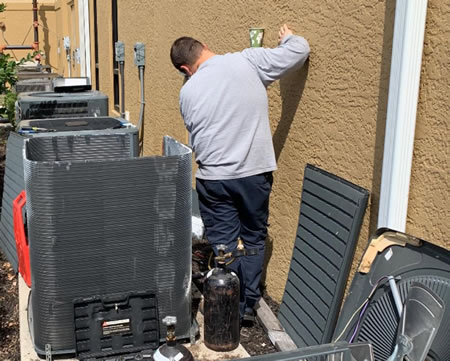
Hurricane season in Fort Myers runs from June through November, and long, humid afternoons mean your air conditioner is essential. If you want fewer surprises when storms roll through Lee County, start planning now. For a smooth path, this guide covers how to get your AC ready for hurricane season in Fort Myers and shows what a licensed Air Conditioning Contractor will check so your cooling stays dependable when you need it most.
Whether you live near McGregor and Iona by the river, over in Gateway and Lehigh Acres, or closer to the islands, preparation looks a little different. Salt air, wind-driven rain, and power fluctuations all affect equipment in Southwest Florida. The steps below focus on pro service, safety, and reliability.
Why AC Hurricane Preparedness Matters In Fort Myers
Summer storms in our area bring heat, sticky humidity, and the risk of debris and flooding. Your outdoor condenser sits directly in that environment. When it is not protected and verified by a pro before the first big system rolls in, your home can face longer run times, poor humidity control, or even mid-storm breakdowns.
Corrosion from salt spray can work quietly on coils and small parts. Lightning and grid disturbances can stress contactors and circuit boards. After a storm, hidden water damage or debris can cause new noises, short cycling, or tripped breakers. Getting ahead of these issues with professional service keeps your home livable and reduces the chance of emergencies.
Professional Hurricane-Season HVAC Checklist
A licensed technician focuses on the details that protect performance and safety in our climate. Here is what that visit typically includes for Southwest Florida homes:
- Verifying refrigerant charge, airflow, and electrical connections to keep cooling steady during long run times.
- Inspecting the condenser cabinet, fan blades, and coil fins for corrosion or storm wear that could reduce airflow.
- Checking condensate drainage and float safety so indoor moisture does not back up during heavy rain.
- Reviewing surge protection, disconnects, and breaker condition for safe operation through lightning and power blips.
- Confirming anchors, stands, or tie-downs are secure so high winds are less likely to shift or damage the unit.
If your system has struggled in past summers, consider scheduling earlier in the season so there is time to address findings before peak heat.
Protecting The Outdoor Unit Before And After Storms
Your condenser is sturdy, but storms can test it. The safest plan is to have a pro look at how it is mounted, wired, and protected long before the radar turns red. In coastal pockets of Fort Myers and Cape Coral, many homes benefit from elevated pads or stands that keep equipment above pooling water. Inland homes often see issues from windblown debris pressing against the coil or fence panels too close to the unit.
Do not restart a flooded unit. If storm water reached or splashed into the cabinet, have a licensed Air Conditioning Contractor inspect it first. Hidden moisture can damage motors and electronics, and powering on too soon may turn a fixable situation into a replacement.
Ask your technician about protective top screens designed for proper airflow. They help deflect leaves and palm fronds without trapping moisture. Avoid plastic tarps while the system runs. Skip plastic covers on running equipment, since they can choke airflow and create condensation that speeds corrosion.
Storm surge and tidal flooding can reach farther inland than many Fort Myers homeowners expect. If your neighborhood has a history of street flooding, plan a pre-season inspection and talk with your tech about elevation and approved anchoring. A small hardware upgrade now often prevents days without cooling later.
Power, Surges, And Safe Restarts
Summer storms bring short outages and voltage swings that can be tough on compressors. A technician can review whole-home or dedicated HVAC surge protection to help shield sensitive parts. They will also confirm proper breaker sizing, clean disconnects, and healthy contactors so the system can handle frequent starts when the power returns.
After the weather clears, it is tempting to flip everything back on at once. If you experienced any outage, odd smell, or tripped breaker, wait for a professional to take a look. They can verify that the fan spins freely, wiring is dry, and controls respond correctly. That quick check can spare you from a second outage during the next hot, humid evening.
Timing Your Service Around The Fort Myers Forecast
Storm season overlaps with our highest heat and humidity. That means scheduling fills quickly. The ideal window is late spring or very early summer so small issues are fixed before long run times and daily showers settle in. If you missed that window, it is still wise to get on a technician’s calendar ahead of an approaching system.
You can also brush up on seasonal planning with this piece on how often you should service your AC in Fort Myers. It explains why a Florida-focused schedule keeps you ahead of breakdowns, especially when storms stretch afternoon run times.
When Repair Or Replacement Is The Better Move
Some systems handle storms well once they are tuned and protected. Others, especially older condensers near salt air or frequent flooding, may suffer repeated breakdowns. A licensed technician will weigh age, part availability, compressor health, and the cost of repeated service. If the balance points toward replacement, acting before peak heat or the height of hurricane season reduces downtime.
For homes facing repeated storm damage or chronic humidity problems, you can explore air conditioning installation and replacement options designed for our climate. Modern systems often offer better moisture control, quieter operation, and stronger protections for electronics, which helps during frequent power events.
What Technicians Watch For After A Storm
After high winds or heavy rain, the first visit is about safety and preventing further damage. Your HVAC pro will look for subtle clues that predict bigger problems if you restart too soon. Here are common red flags that call for professional attention:
- Standing water marks or a tideline inside the condenser cabinet.
- Fan blades that do not spin freely or scrape the guard after wind movement.
- Burnt smells, buzzing, or chattering at the contactor or disconnect.
- Visible corrosion on coil tubing or terminals that was not there before.
- Uneven cooling, higher indoor humidity, or unusual noises that began after the storm.
Documenting these findings now makes future service smoother. It also helps you and your technician decide whether to reinforce mounting, adjust placement, or consider a different equipment style for your property.
How To Choose A Local Air Conditioning Contractor
Storm prep is not a one-size-fits-all checklist. It is about local experience. Choose a company that services neighborhoods like McGregor, Iona, San Carlos Park, Estero, and Bonita Springs, and that understands salt exposure and flooding patterns. Look for clear communication, documented inspections, and parts access when the supply chain gets tight during a busy season.
Use a licensed Air Conditioning Contractor that stands behind the work. You should receive a written summary of what was checked and any recommended upgrades so you can plan ahead. That record also speeds up future appointments if another system passes through the Gulf.
Scheduling And Next Steps
Get on the calendar before peak humidity and daily thunderstorms return. If your system struggled last summer, tell the technician what you noticed so they can target their checks. If you are near the coast or in a low-lying area, ask about elevation and anchoring options for your condenser and whether surge protection is right for your setup.
When you need fast help or a pre-storm tune-up, connect with the local team you trust. You can schedule with AC repair specialists who know Fort Myers homes and understand how our heat, salt air, and storms affect equipment across Southwest Florida.
Stay Ready With A Local Team You Can Trust
Schedule service before June 1 if possible, or as early in the season as you can. A short, focused visit by a pro today is the easiest way to prevent long, muggy nights after the next big storm. If your AC needs attention, reach out to Bowen Cooling at 239-989-7500 to get on the schedule.
When a storm is spinning up in the Gulf, you do not want to hope your system holds together. You want to know it will. Our team is ready to help Fort Myers homeowners protect comfort and peace of mind through every forecast. For prompt support, call today and we will take care of the rest. Your comfort and safety come first.
Recent Articles
-
Choosing the Right Size AC System for Your Southwest Florida Home
Getting the right size air conditioner is the most important choice you will make for comfort in Fort Myers, FL. This simple AC sizing guide explains how professionals match a system to your home so it cools evenly, drains moisture, and lasts longer. Continue
-
How to Get Your AC Ready for Hurricane Season in Fort Myers
Prepare your AC for hurricane season in Fort Myers, FL. Learn what a licensed Air Conditioning Contractor checks, how to protect the outdoor unit, and when to schedule service. Continue